




Can a Smart LiFePO4 Battery Charger be used for other types of batteries?
 Jul 01, 2026|
 As a supplier of Smart LiFePO4 Battery Chargers, I often get asked a crucial question: Can a Smart LiFePO4 Battery Charger be used for other types of batteries? In this blog, we'll explore this topic in detail, considering the technical aspects, potential risks, and practical applications.
Understanding LiFePO4 Batteries and Their Chargers
Before delving into using LiFePO4 chargers for other battery types, it's essential to understand the characteristics of LiFePO4 batteries and their chargers. LiFePO4, or Lithium Iron Phosphate, is a type of lithium - ion battery known for its high energy density, long cycle life, and excellent thermal stability. Smart LiFePO4 battery chargers are designed to charge these batteries safely and efficiently.
These chargers typically use a multi - stage charging process. First, they supply a constant current to the battery until it reaches a certain voltage. Then, they switch to a constant - voltage charging mode to prevent overcharging. This intelligent charging process is tailored to the specific voltage and charging requirements of LiFePO4 batteries.
Compatibility with Other Battery Types
Lithium - Polymer (LiPo) Batteries
LiPo batteries are another popular type of lithium - ion battery. They are often used in applications such as drones, RC cars, and portable electronics. While both LiFePO4 and LiPo are lithium - ion batteries, they have different voltage and charging requirements.
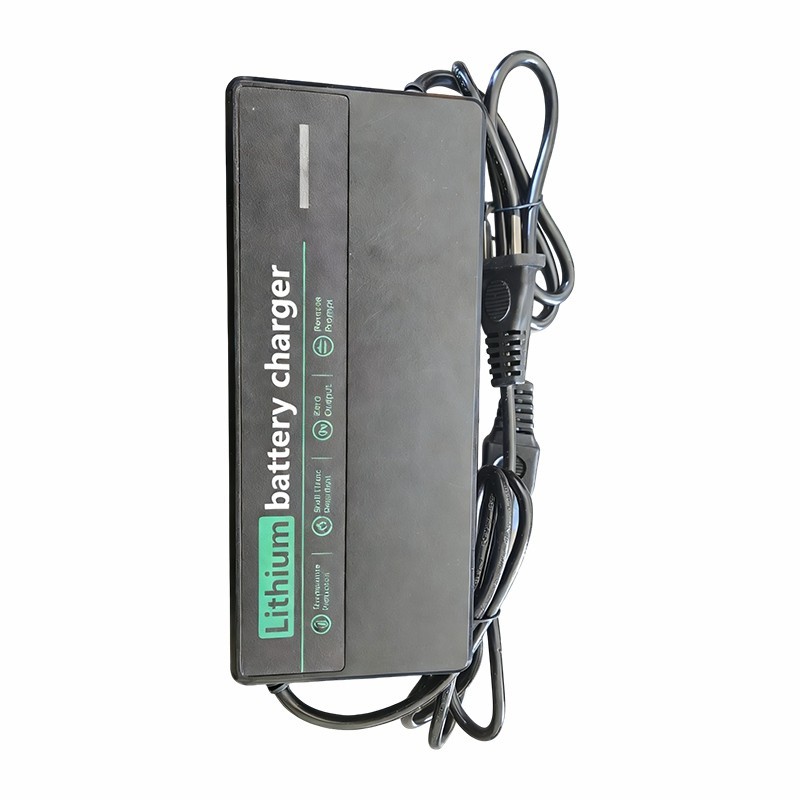
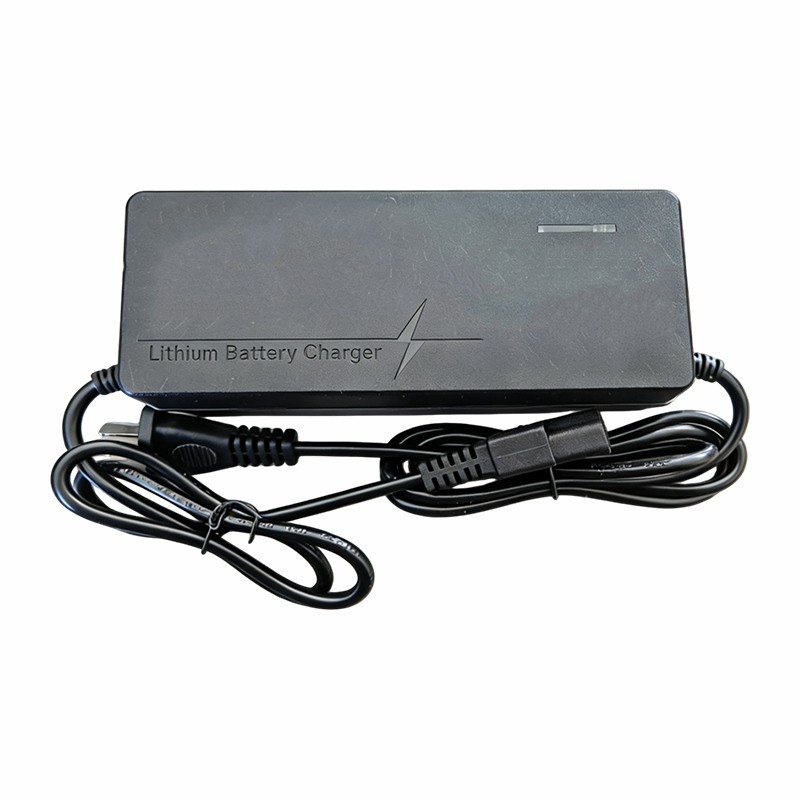
LiPo batteries usually have a nominal voltage of 3.7V per cell, while LiFePO4 batteries have a nominal voltage of 3.2V per cell. A Smart LiFePO4 charger is set to charge at a voltage suitable for LiFePO4 batteries. Using it to charge LiPo batteries may result in under - charging, as the charger may cut off the charging process before the LiPo battery reaches its full capacity.
Moreover, LiPo batteries are more sensitive to over - charging and over - discharging. If a LiFePO4 charger malfunctions and over - charges a LiPo battery, it can lead to swelling, leakage, or even explosion. Therefore, it's generally not recommended to use a Smart LiFePO4 charger for LiPo batteries. However, if you are in need of a charger for LiPo batteries, we offer a LiPo Battery Charger Dual Channel that is specifically designed for their unique requirements.
Lead - Acid Batteries
Lead - acid batteries are commonly used in automotive applications, uninterruptible power supplies (UPS), and some renewable energy systems. They have a significantly different charging profile compared to LiFePO4 batteries.
Lead - acid batteries require a specific charging voltage and current profile to ensure proper charging and prevent sulfation. A Smart LiFePO4 charger is not designed to provide the appropriate charging parameters for lead - acid batteries. Using a LiFePO4 charger for lead - acid batteries can lead to under - charging, which reduces the battery's capacity and lifespan. Additionally, over - charging a lead - acid battery can cause gassing, water loss, and damage to the battery plates.
Nickel - Metal Hydride (NiMH) Batteries
NiMH batteries are often used in consumer electronics, such as digital cameras and cordless phones. They have a different charging mechanism compared to LiFePO4 batteries. NiMH batteries require a charging process that monitors the temperature and voltage to prevent over - charging.
A Smart LiFePO4 charger does not have the necessary features to charge NiMH batteries safely. Using it for NiMH batteries can lead to over - charging, which can cause the battery to overheat and potentially damage the battery or the device it powers.
Exceptions and Special Cases
There are some cases where a Smart LiFePO4 charger might be used with other battery types, but with caution. For example, some advanced Smart LiFePO4 chargers have adjustable charging parameters. If the charger allows you to set the voltage and current according to the requirements of another battery type, it might be possible to use it for other batteries. However, this requires a deep understanding of the battery's charging requirements and careful monitoring during the charging process.
Advantages of Using the Right Charger
Using the appropriate charger for each battery type is crucial for several reasons. Firstly, it ensures the safety of the battery and the device. A charger that is specifically designed for a particular battery type can prevent over - charging, under - charging, and other potential hazards.
Secondly, using the right charger can extend the battery's lifespan. By providing the correct charging voltage and current, the charger can maintain the battery's performance over a longer period. This is especially important for expensive batteries, such as LiFePO4 and LiPo batteries.
Our Product Range
As a supplier of Smart LiFePO4 Battery Chargers, we also offer a variety of other chargers to meet different battery charging needs. For those who use solar power to charge their e - bike batteries, we have a Solar Charger For Ebike Battery. This charger is designed to efficiently convert solar energy into electrical energy to charge e - bike batteries.
In addition, our DC To DC Lithium Ion Charger is suitable for charging lithium - ion batteries from a DC power source. It provides a stable and efficient charging solution for various applications.
Conclusion
In general, a Smart LiFePO4 Battery Charger is not recommended for use with other types of batteries due to the differences in voltage, charging requirements, and safety considerations. However, if you have specific needs and are willing to take the necessary precautions, some advanced chargers with adjustable parameters might be used with other battery types.
If you are looking for high - quality chargers for different battery types, we are here to help. Our products are designed to provide safe, efficient, and reliable charging solutions. Whether you need a charger for LiFePO4, LiPo, or other battery types, we can offer the right product for you. Contact us for more information and to discuss your specific requirements.
References
- Linden, D., & Reddy, T. B. (2002). Handbook of Batteries. McGraw - Hill.
- Gregory, J. P. (2011). Battery Management Systems: Design by Modeling. Wiley.