




How to connect multiple LiPo battery charger dual channels together?
 Oct 22, 2026|
Hey there! As a supplier of LiPo Battery Charger Dual Channel, I often get asked about how to connect multiple chargers together. So, I thought I'd share some tips and tricks that I've picked up over the years.
First off, let's talk about why you might want to connect multiple chargers. Maybe you've got a bunch of batteries to charge at once, or you're looking to speed up the charging process. Whatever the reason, it's important to do it safely and correctly.
The first thing you need to do is make sure that all of your chargers are compatible. This means checking the voltage, amperage, and charging profile of each charger. You don't want to mix and match chargers that have different specifications, as this can lead to overcharging, undercharging, or even damage to your batteries.
Once you've confirmed that your chargers are compatible, it's time to start connecting them. There are a few different ways to do this, depending on your setup.
Parallel Connection
One of the most common ways to connect multiple chargers is in parallel. This involves connecting the positive terminals of all the chargers together, and the negative terminals together. This effectively combines the output of all the chargers, allowing you to charge multiple batteries at once.
To do this, you'll need to use a parallel charging board or a set of jumper cables. Make sure that the cables are rated for the amperage of your chargers, and that they're properly insulated to prevent short circuits.
Here's a step-by-step guide on how to connect your chargers in parallel:
- Turn off all of your chargers and unplug them from the power source.
- Connect the positive terminals of all the chargers together using a parallel charging board or jumper cables.
- Connect the negative terminals of all the chargers together in the same way.
- Plug the chargers back into the power source.
- Connect your batteries to the chargers, making sure that the positive and negative terminals are correctly aligned.
Series Connection
Another way to connect multiple chargers is in series. This involves connecting the positive terminal of one charger to the negative terminal of the next charger, and so on. This effectively increases the voltage output of the chargers, allowing you to charge higher voltage batteries.
To do this, you'll need to use a series charging board or a set of jumper cables. Make sure that the cables are rated for the voltage and amperage of your chargers, and that they're properly insulated to prevent short circuits.
Here's a step-by-step guide on how to connect your chargers in series:
- Turn off all of your chargers and unplug them from the power source.
- Connect the positive terminal of the first charger to the negative terminal of the second charger using a series charging board or jumper cables.
- Connect the positive terminal of the second charger to the negative terminal of the third charger, and so on, until all of the chargers are connected in series.
- Plug the chargers back into the power source.
- Connect your batteries to the chargers, making sure that the positive and negative terminals are correctly aligned.
Safety Precautions
When connecting multiple chargers together, it's important to take some safety precautions to prevent accidents and damage to your equipment. Here are some tips to keep in mind:
- Use a fuse: Make sure that each charger is protected by a fuse to prevent overcurrent and short circuits.
- Monitor the charging process: Keep an eye on your batteries while they're charging to make sure that they're not overheating or overcharging.
- Use a fireproof charging bag: If you're charging multiple batteries at once, it's a good idea to use a fireproof charging bag to contain any potential fires.
- Follow the manufacturer's instructions: Make sure that you're following the manufacturer's instructions for your chargers and batteries.
Other Charging Options
In addition to connecting multiple chargers together, there are other charging options available that you might want to consider. For example, you could use a DC To DC Lithium Ion Charger to charge your batteries from a DC power source, such as a car battery or a solar panel.
Another option is to use a 48 Volt Lifepo4 Battery Charger to charge your high voltage batteries. These chargers are specifically designed to charge LiFePO4 batteries, which are becoming increasingly popular in applications such as electric vehicles and solar energy storage.
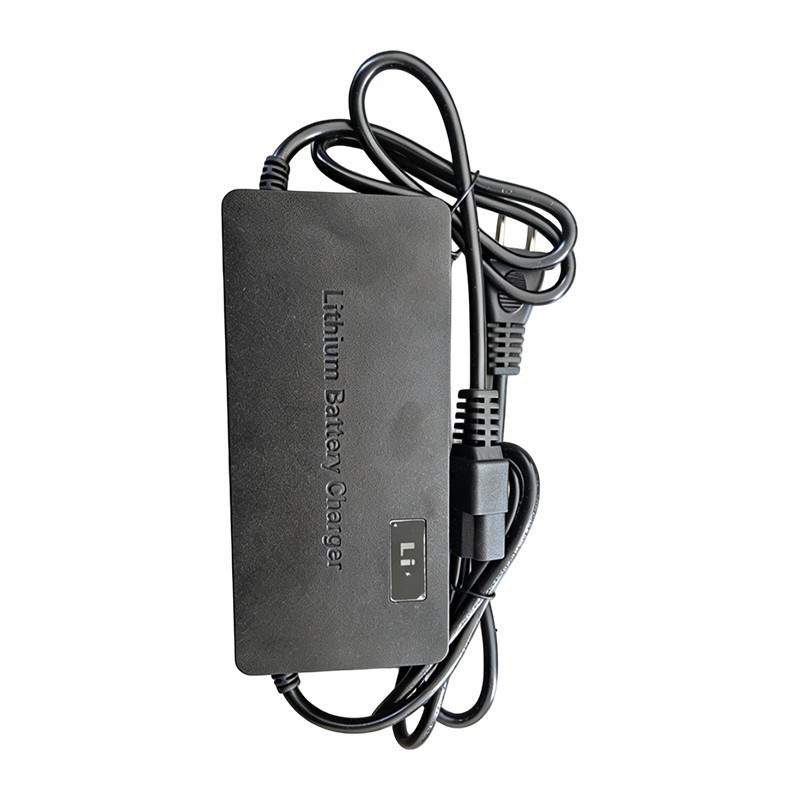
Finally, if you're looking for a more sustainable way to charge your batteries, you might want to consider using a Solar Charger For Ebike Battery. These chargers use solar panels to convert sunlight into electricity, which can then be used to charge your batteries.

Conclusion
Connecting multiple LiPo battery chargers together can be a great way to charge multiple batteries at once or to speed up the charging process. However, it's important to do it safely and correctly to prevent accidents and damage to your equipment.
If you have any questions or need help with connecting your chargers, feel free to reach out to us. We're a LiPo Battery Charger Dual Channel supplier, and we're always happy to help. Whether you're a hobbyist or a professional, we've got the chargers and accessories you need to keep your batteries charged and ready to go.
So, if you're in the market for a LiPo battery charger, or if you're looking to expand your charging setup, don't hesitate to contact us. We'd love to hear from you and help you find the right solution for your needs.
References
- Battery University: https://batteryuniversity.com/
- LiPo Battery Safety: https://www.rcgroups.com/forums/showthread.php?t=2354186
- Charging LiPo Batteries: https://www.hobbyking.com/en_us/charging-lipo-batteries.html