




How to ensure the stability of an electric motorcycle Li - Ion battery charger during charging?
 Jul 21, 2026|
 Hey there, fellow electric motorcycle enthusiasts! I'm a supplier of Electric Motorcycle Li Ion Battery Charger, and I've been in this game for quite a while. One of the most common concerns I hear from riders is how to ensure the stability of their electric motorcycle Li - Ion battery charger during charging. Well, I'm here to share some tips and insights that I've gathered over the years.
Understanding the Basics of Li - Ion Batteries
Before we dive into the stability of the charger, it's important to understand a bit about Li - Ion batteries. These batteries are popular in electric motorcycles because they offer high energy density, long cycle life, and relatively low self - discharge rates. However, they are also quite sensitive to charging conditions.
Li - Ion batteries need to be charged within a specific voltage and current range. Overcharging can lead to overheating, swelling, and even the risk of fire or explosion. On the other hand, undercharging can reduce the battery's capacity and lifespan. So, a stable charger is crucial for the health and performance of your electric motorcycle's battery.
Factors Affecting Charger Stability
There are several factors that can affect the stability of an electric motorcycle Li - Ion battery charger. Let's take a look at some of the most important ones:
Power Supply
The quality of the power supply is a major factor. If you're using a charger that's plugged into an unstable power source, like a generator or a power outlet with voltage fluctuations, it can cause problems. Voltage spikes or drops can lead to inconsistent charging, which can damage the battery over time. To ensure stability, it's best to use a charger that's designed to work with a stable power supply. For example, if you're charging at home, make sure you're using a proper electrical outlet that's grounded and has a consistent voltage.
Temperature
Temperature plays a big role in battery charging. Li - Ion batteries perform best within a certain temperature range, usually between 20°C and 40°C (68°F - 104°F). If the temperature is too low, the charging process can be slow and inefficient. If it's too high, it can cause the battery to overheat and degrade faster. That's why it's important to charge your battery in a well - ventilated area and avoid charging it in direct sunlight or in extremely hot or cold environments.
Charging Algorithm
A good charger should have a smart charging algorithm. This algorithm controls the charging process, adjusting the voltage and current based on the battery's state of charge. For example, in the initial stage of charging, the charger will supply a high current to quickly charge the battery. As the battery approaches full charge, the current is gradually reduced to prevent overcharging. A reliable charger will also have safety features like over - voltage protection, over - current protection, and short - circuit protection.
Tips for Ensuring Charger Stability
Now that we know what affects charger stability, let's talk about some practical tips to keep your charger running smoothly:
Choose a High - Quality Charger
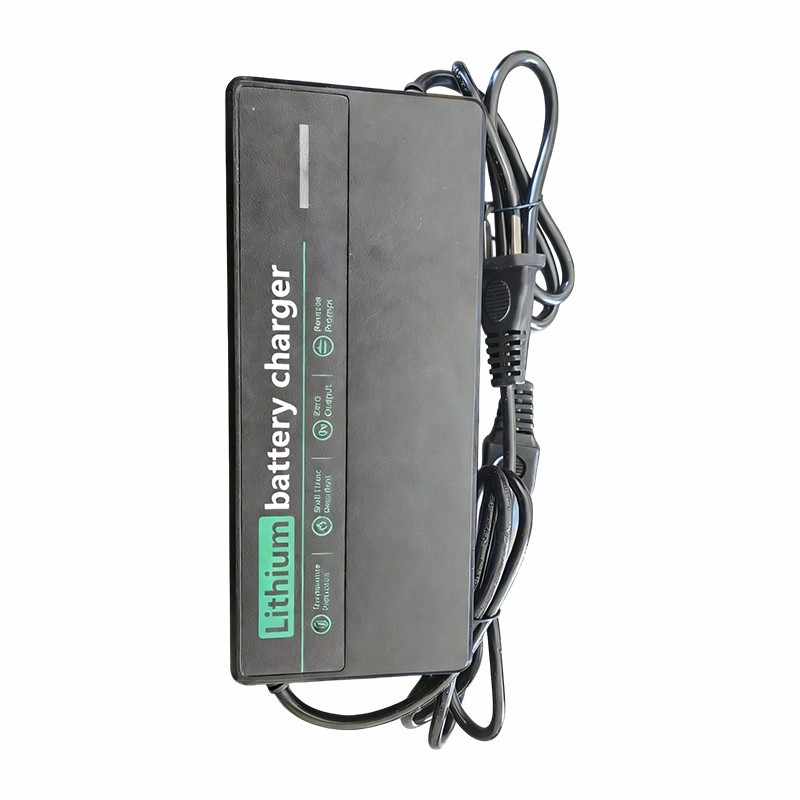
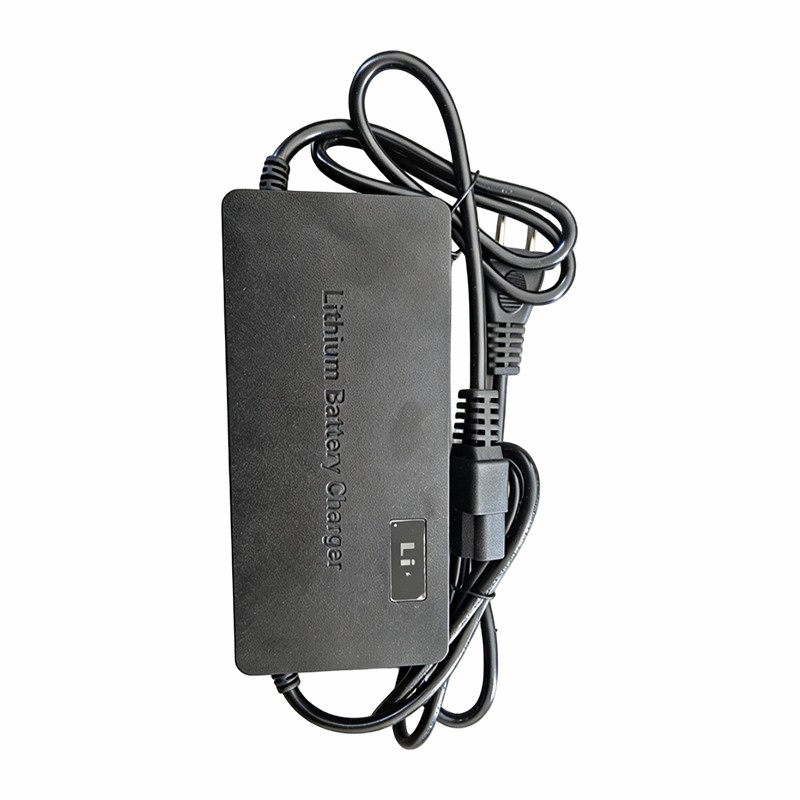
Investing in a high - quality charger is the first step. Look for chargers that are specifically designed for electric motorcycle Li - Ion batteries. Electric Motorcycle Li Ion Battery Charger from reputable manufacturers are more likely to have advanced charging algorithms and safety features. You can also consider chargers like DC To DC Lithium Ion Charger or 48 Volt Lifepo4 Battery Charger, which are designed for specific battery types and applications.
Keep the Charger Clean
Dust and debris can accumulate on the charger over time, which can affect its performance. Make sure to keep the charger clean by wiping it down regularly with a dry cloth. Avoid using water or other cleaning agents, as they can damage the charger's internal components.
Check the Charging Cable
The charging cable is an important part of the charging system. A damaged or frayed cable can cause electrical problems and reduce the charger's stability. Inspect the cable regularly for any signs of damage, and replace it if necessary.
Don't Overcharge the Battery
It's tempting to leave the battery on the charger overnight, but this can be harmful to the battery. Once the battery is fully charged, unplug the charger. Most modern chargers have an automatic shut - off feature, but it's still a good idea to keep an eye on the charging process.
Monitor the Charging Process
Pay attention to the charger's indicators. If you notice any unusual behavior, like the charger getting too hot or the charging time being much longer than usual, stop the charging process immediately and check for problems.
Importance of Regular Maintenance
Regular maintenance of your charger is essential for ensuring its stability. Here are some maintenance tasks you should perform:
Firmware Updates
Some chargers have firmware that can be updated. These updates can improve the charger's performance and add new features. Check the manufacturer's website regularly for firmware updates and follow the instructions to install them.
Component Inspection
Periodically inspect the charger's internal components for any signs of wear or damage. If you're not comfortable doing this yourself, you can take the charger to a professional technician for inspection.
Conclusion
Ensuring the stability of an electric motorcycle Li - Ion battery charger is crucial for the health and performance of your battery. By understanding the factors that affect charger stability, following the tips I've shared, and performing regular maintenance, you can keep your charger running smoothly and extend the lifespan of your battery.
If you're in the market for a high - quality electric motorcycle Li - Ion battery charger, I'd love to have a chat with you. We offer a wide range of chargers that are designed to meet the needs of different electric motorcycle models. Whether you're looking for a DC To DC Lithium Ion Charger or a 48 Volt Lifepo4 Battery Charger, we've got you covered. So, don't hesitate to reach out and let's discuss your requirements.
References
- Battery University. "Lithium - Ion Batteries: How to Prolong Life and Performance."
- Electric Vehicle Charging Association. "Best Practices for Charging Electric Motorcycle Batteries."