




What is the maximum charging speed of a Universal Mobile Power Bank?
 Jun 02, 2026|
 As a supplier of Universal Mobile Power Banks, I've witnessed firsthand the rapid evolution of charging technology. The question of the maximum charging speed of a Universal Mobile Power Bank is not only a hot topic among consumers but also a crucial aspect of our product development. In this blog, I'll delve into the factors that determine the maximum charging speed, the current state of the technology, and what the future holds.
Understanding Charging Speed
Charging speed is primarily determined by two key factors: the power output of the charger and the charging capabilities of the device being charged. The power output of a charger is measured in watts (W), which is the product of voltage (V) and current (A). For example, a charger with a voltage of 5V and a current of 2A has a power output of 10W. The higher the power output, the faster the charging speed.
However, the charging capabilities of the device being charged also play a significant role. Not all devices can accept high-power charging. For instance, older smartphones may only support a maximum charging power of 5W or 10W, while newer models can handle 20W, 30W, or even higher. Therefore, the maximum charging speed of a Universal Mobile Power Bank is limited by the lowest power rating between the charger and the device.
Current State of Charging Technology
In recent years, there has been a significant advancement in charging technology, leading to the development of fast charging solutions. Some of the popular fast charging technologies include Qualcomm Quick Charge, USB Power Delivery (PD), and OnePlus Warp Charge. These technologies allow for higher power transfer, enabling devices to charge at a much faster rate.
For Universal Mobile Power Banks, the maximum charging speed can vary widely depending on the model and the technology it supports. Some power banks can provide a maximum output of 18W, while others can go up to 65W or even higher. For example, a power bank with USB PD 3.0 support can deliver up to 65W of power, which is sufficient to charge a laptop or a high-capacity smartphone quickly.
Factors Affecting Maximum Charging Speed
Several factors can affect the maximum charging speed of a Universal Mobile Power Bank. These include:
- Battery Capacity: The larger the battery capacity of the power bank, the longer it takes to charge. A power bank with a capacity of 20,000mAh will take longer to charge than one with a capacity of 10,000mAh, even if they have the same charging speed.
- Charging Cable: The quality and type of charging cable used can also affect the charging speed. A high-quality cable with a larger gauge can carry more current, resulting in a faster charging speed.
- Device Compatibility: As mentioned earlier, the charging capabilities of the device being charged are a crucial factor. If the device does not support high-power charging, the power bank will not be able to charge it at its maximum speed.
- Temperature: Extreme temperatures can also affect the charging speed. Charging a power bank in very hot or cold conditions can slow down the charging process and may even damage the battery.
The Future of Charging Speed
The future of charging speed looks promising, with ongoing research and development in the field of battery technology. Some of the emerging technologies that could potentially revolutionize the charging speed of Universal Mobile Power Banks include:
- Solid-State Batteries: Solid-state batteries are a new type of battery that uses a solid electrolyte instead of a liquid one. These batteries have the potential to offer higher energy density, faster charging speeds, and improved safety compared to traditional lithium-ion batteries.
- Wireless Charging: Wireless charging technology has been around for a while, but it is still limited in terms of charging speed. However, recent advancements in wireless charging technology, such as magnetic resonance and radio frequency charging, could potentially increase the charging speed and make it more convenient.
- Supercapacitors: Supercapacitors are energy storage devices that can charge and discharge much faster than traditional batteries. Although they have a lower energy density than batteries, they could be used in conjunction with batteries to provide a faster charging solution.
Our Products and Charging Speed
As a supplier of Universal Mobile Power Banks, we are committed to providing our customers with the latest and most advanced charging technology. Our power banks are designed to support a wide range of charging standards, including USB PD, Qualcomm Quick Charge, and more. We offer power banks with different power outputs, ranging from 10W to 65W, to meet the diverse needs of our customers.
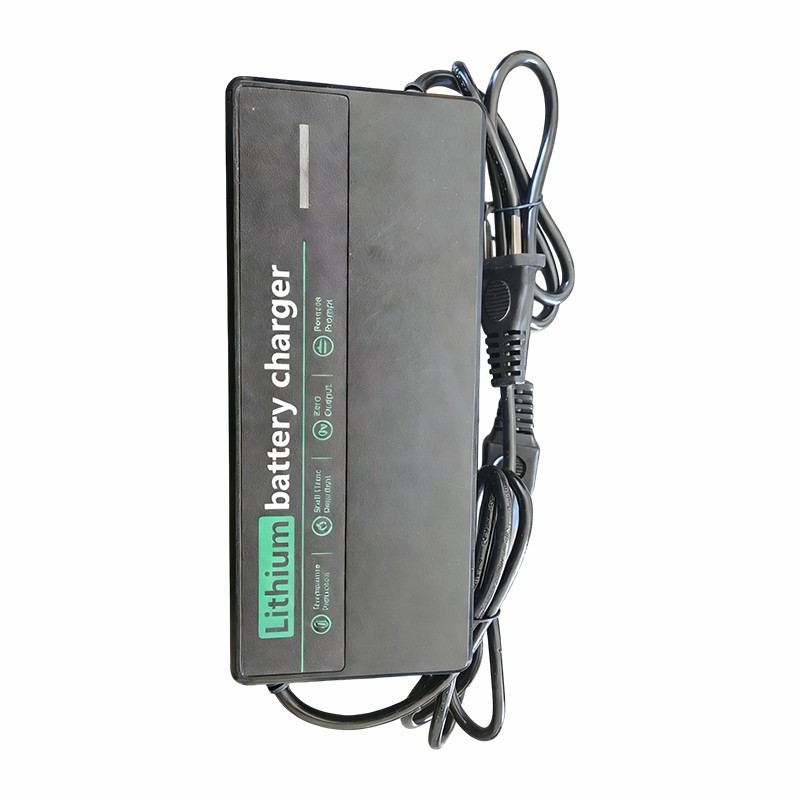
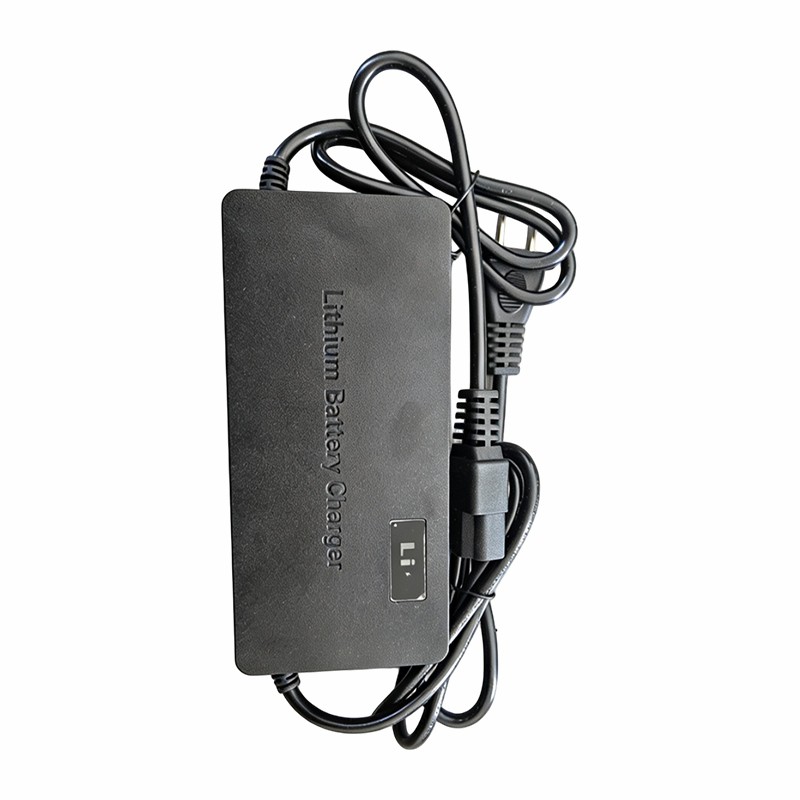
In addition to our power banks, we also offer a range of chargers, including DC To DC Lithium Ion Charger, Utl E Rickshaw Charger, and Electric Motorcycle Li Ion Battery Charger. These chargers are designed to provide fast and efficient charging for a variety of devices.
Contact Us for Procurement
If you are interested in purchasing our Universal Mobile Power Banks or any of our other products, we would be happy to discuss your requirements. Our team of experts can provide you with detailed information about our products, including their charging speed, battery capacity, and other features. We can also offer customized solutions to meet your specific needs.
To start a procurement discussion, please reach out to us. We look forward to working with you and helping you find the best charging solutions for your devices.
References
- "Understanding Battery Charging: A Guide to Charging Technologies." Battery University.
- "The Future of Battery Technology: Trends and Innovations." ScienceDirect.
- "Fast Charging Technologies: How They Work and What to Expect." PCMag.