




What is the shape of an electric motorcycle Li - Ion battery charger?
 Oct 27, 2026|
Hey there! As a supplier of Electric Motorcycle Li - Ion Battery Chargers, I often get asked about the shape of these chargers. It's a question that might seem simple at first, but there's actually quite a bit to unpack.
Let's start with the basics. The shape of an electric motorcycle Li - Ion battery charger can vary widely depending on a few key factors. One of the main things that influences the shape is the intended use and the design of the motorcycle itself.
Some chargers are designed to be compact and portable. These are great for riders who are always on the go and might need to charge their batteries in different locations. A compact charger can easily fit into a backpack or a storage compartment on the motorcycle. They usually have a rectangular or square shape, which is efficient for minimizing space. For example, a small rectangular charger can be easily carried around and plugged into a standard wall outlet wherever you are.
On the other hand, there are chargers that are more stationary and designed to be used at home or in a workshop. These chargers might be larger in size and have a more robust shape. They could be box - shaped, with a larger surface area to accommodate more components and better heat dissipation. This is important because Li - Ion batteries generate heat during the charging process, and a charger with good heat dissipation can help extend the battery's lifespan.
Another factor that affects the shape is the charging technology. Chargers that use fast - charging technology often have a different shape compared to regular chargers. Fast chargers need to handle higher power levels, which means they might have additional cooling mechanisms and larger circuitry. This can result in a more complex shape, perhaps with fins or vents to help with heat management.
Now, let's talk about the different types of chargers we offer as a supplier. We have the E - Tricycle Battery Charger. This charger is specifically designed for e - tricycles, and its shape is optimized to fit the charging requirements of these vehicles. It's usually a bit larger than a standard motorcycle charger because e - tricycles often have larger batteries. The shape is typically boxy, which provides a stable base and enough space for the necessary components.
We also have the 48v Ebike Fast Charger. As the name suggests, this charger is for 48 - volt e - bikes and is designed for fast charging. The shape of this charger is more streamlined, with a focus on efficient power delivery. It has a sleek rectangular design that can be easily mounted on a wall or placed on a flat surface. The fast - charging technology requires a more advanced design, and the shape reflects that.
Then there's the DC To DC Lithium Ion Charger. This charger is used to convert DC power from one source to another, which is useful for charging Li - Ion batteries in different scenarios. Its shape is often modular, allowing for easy integration into different systems. It can be a small, square - shaped unit that can be connected to other components in a charging setup.
When it comes to the materials used in the charger's shape, most chargers are made of plastic or metal. Plastic chargers are lightweight and can be molded into various shapes easily. They are also cost - effective, which makes them a popular choice for mass - produced chargers. Metal chargers, on the other hand, are more durable and offer better heat conduction. They are often used in high - end chargers or those designed for heavy - duty use.
The shape of the charger also affects its ease of use. A charger with a well - designed shape will have easy - to - reach connectors and controls. For example, a charger with a handle or a grip makes it easier to pick up and move around. The shape can also influence how the charger is stored. A charger with a flat bottom can be easily placed on a shelf, while a charger with a hook or a hanger can be hung on a wall.
In addition to the physical shape, the internal layout of the charger also plays a role. The components inside the charger need to be arranged in a way that maximizes efficiency and safety. For example, the circuit boards should be placed in a way that minimizes interference and allows for proper ventilation.

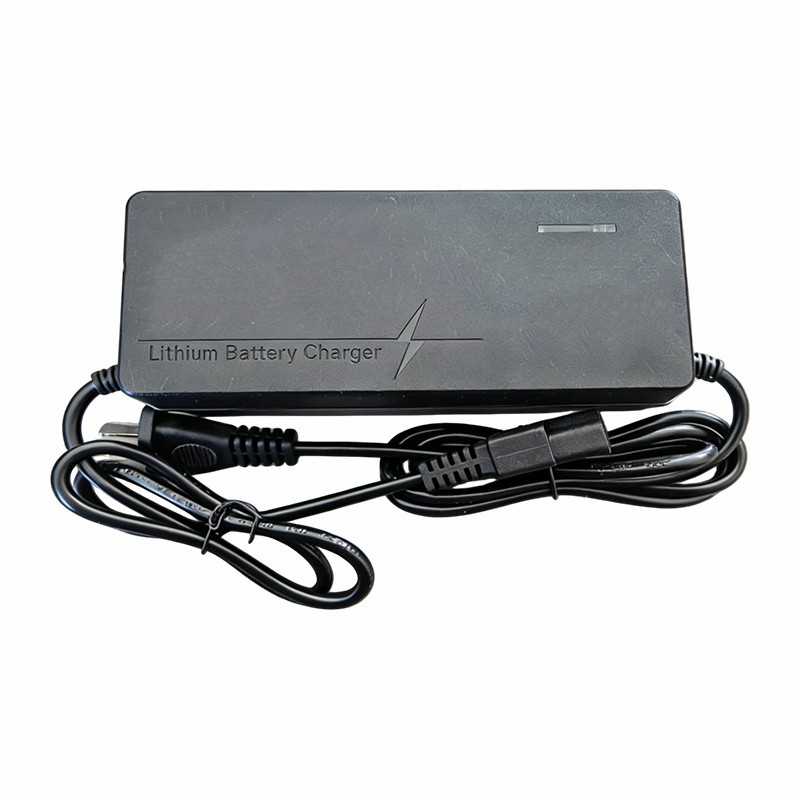
As a supplier, we understand the importance of getting the shape right. We work closely with our customers to understand their specific needs and design chargers that not only function well but also have a shape that is practical and user - friendly. Whether you're a motorcycle enthusiast looking for a portable charger or a business owner in the e - vehicle industry, we have the right charger for you.
If you're interested in learning more about our Electric Motorcycle Li - Ion Battery Chargers or have any questions about the shape or other features, we'd love to hear from you. We're always happy to have a chat and discuss how our chargers can meet your requirements. Feel free to reach out to us for a quote or to start a procurement discussion. We're here to help you find the perfect charger for your electric motorcycle or other e - vehicles.
References
- Battery Charging Technology Handbook
- Electric Vehicle Charging Systems: Design and Implementation