




Can a lithium compatible battery charger charge a battery that has been over - charged?
 Jun 25, 2026|
 Can a lithium compatible battery charger charge a battery that has been over - charged?
As a supplier of lithium compatible battery chargers, I often encounter various questions from customers regarding battery charging. One of the most common inquiries is whether a lithium compatible battery charger can charge a battery that has been over - charged. In this blog, I will delve into this topic and provide a comprehensive answer based on scientific knowledge and practical experience.
Understanding Over - Charging
Over - charging occurs when a battery is charged beyond its recommended capacity. This can happen due to a malfunctioning charger, incorrect charging settings, or simply leaving the battery connected to the charger for an extended period. When a battery is over - charged, several negative consequences can occur. For lithium - ion batteries, over - charging can lead to the formation of lithium metal on the electrodes, which can cause internal short - circuits, overheating, and even explosion in extreme cases.
How Lithium Compatible Battery Chargers Work
Lithium compatible battery chargers are designed to charge lithium - ion batteries safely and efficiently. These chargers typically have built - in protection circuits that monitor the battery's voltage, current, and temperature during the charging process. When the battery reaches its full capacity, the charger automatically reduces the charging current or stops charging altogether to prevent over - charging.
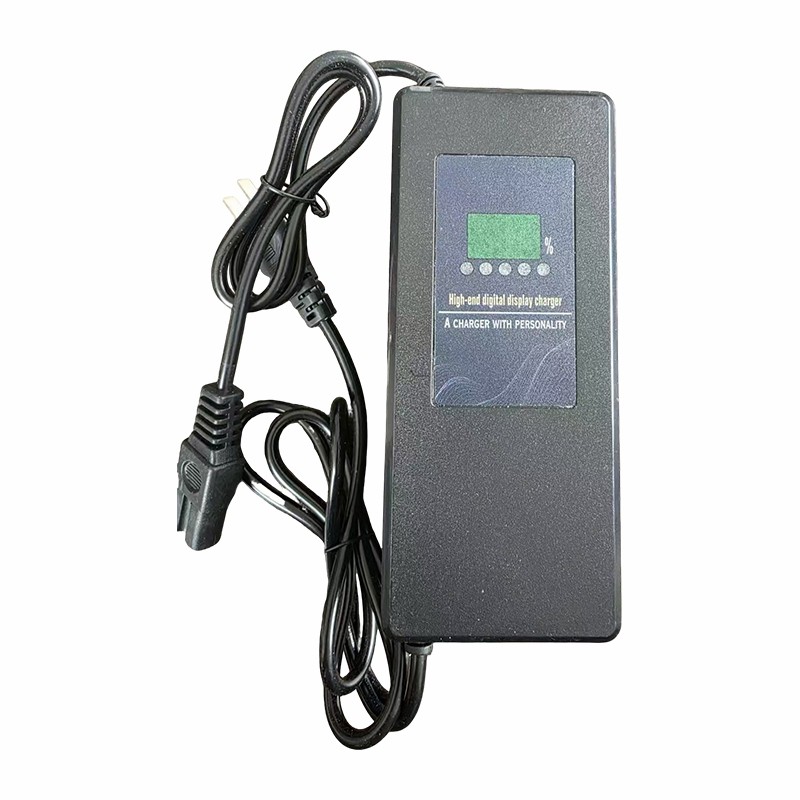

Most lithium compatible battery chargers use a multi - stage charging process. The first stage is the constant - current (CC) stage, where the charger supplies a high current to quickly charge the battery. Once the battery voltage reaches a certain level, the charger switches to the constant - voltage (CV) stage, where the voltage is maintained at a constant level while the charging current gradually decreases. When the charging current drops below a certain threshold, the charger stops charging.
Can a Lithium Compatible Battery Charger Charge an Over - Charged Battery?
The answer to this question is not straightforward and depends on several factors.
1. The Degree of Over - Charging
If the over - charging is minor, a lithium compatible battery charger may be able to charge the battery safely. For example, if the battery has been slightly over - charged and its voltage is only slightly above the normal full - charge voltage, the charger's protection circuit may detect the abnormal voltage and adjust the charging process accordingly. It may start by applying a very low charging current to gradually bring the battery voltage back to the normal range.
However, if the over - charging is severe, the battery may have suffered irreversible damage. In this case, attempting to charge the battery with a lithium compatible battery charger can be dangerous. The damaged battery may have internal short - circuits or other problems that can cause the charger to malfunction, overheat, or even pose a fire risk.
2. The Condition of the Battery
The physical and chemical condition of the battery also plays a crucial role. If the battery has been over - charged and has developed swelling, leakage, or other visible signs of damage, it is not advisable to use a lithium compatible battery charger to charge it. These damaged batteries are likely to be unstable and can cause serious safety issues during the charging process.
3. The Capabilities of the Charger
Not all lithium compatible battery chargers are created equal. Some chargers have more advanced protection features and diagnostic capabilities than others. Chargers with advanced features may be able to detect the over - charged state of the battery and take appropriate measures to prevent further damage. For example, they may be able to perform a battery health check before starting the charging process and provide an alert if the battery is in a dangerous condition.
Precautions and Recommendations
If you suspect that a battery has been over - charged, here are some precautions and recommendations:
- Inspect the Battery: Check the battery for any visible signs of damage, such as swelling, leakage, or discoloration. If the battery shows any of these signs, do not attempt to charge it.
- Use a Quality Charger: Always use a high - quality lithium compatible battery charger that has built - in protection circuits. Avoid using cheap or uncertified chargers, as they may not provide adequate protection against over - charging.
- Seek Professional Help: If you are unsure about the condition of the over - charged battery, it is best to seek the advice of a professional. A battery expert can perform a detailed analysis of the battery and determine whether it can be safely charged.
Our Lithium Compatible Battery Chargers
As a supplier of lithium compatible battery chargers, we offer a wide range of products that are designed to provide safe and efficient charging for lithium - ion batteries. Our chargers are equipped with advanced protection circuits that can detect and prevent over - charging, over - discharging, and short - circuits.
We also offer chargers for different applications, such as Battery Charger On Lawn Mower, Aluminum Cased Sightseeing Vehicle Charger, and Club Car Smart Charger. These chargers are designed to meet the specific requirements of different types of batteries and vehicles.
Conclusion
In conclusion, whether a lithium compatible battery charger can charge a battery that has been over - charged depends on the degree of over - charging, the condition of the battery, and the capabilities of the charger. While a minor over - charge may be rectified by a high - quality charger, a severely over - charged or damaged battery should not be charged without professional assessment.
If you are in the market for a reliable lithium compatible battery charger, we invite you to contact us for a detailed discussion. Our team of experts can help you choose the right charger for your needs and provide you with all the necessary information and support. We look forward to working with you to ensure the safe and efficient charging of your lithium - ion batteries.
References
- Linden, D., & Reddy, T. B. (2002). Handbook of Batteries (3rd ed.). McGraw - Hill.
- Bard, A. J., & Faulkner, L. R. (2001). Electrochemical Methods: Fundamentals and Applications (2nd ed.). John Wiley & Sons.