




Is wireless charging on a Universal Mobile Power Bank as efficient as wired charging?
 Jun 26, 2026|
 In the ever - evolving landscape of mobile technology, the quest for efficient charging solutions has been relentless. As a supplier of Universal Mobile Power Banks, I've witnessed firsthand the growing popularity of wireless charging and the age - old reliability of wired charging. The question that often arises is whether wireless charging on a Universal Mobile Power Bank is as efficient as wired charging. In this blog, we'll delve into the technical aspects, advantages, and limitations of both methods to find an answer.
Understanding the Basics of Wired and Wireless Charging
Let's start by understanding the fundamental principles of these two charging methods. Wired charging is a traditional approach where a physical cable is used to connect the power source (in this case, the Universal Mobile Power Bank) to the device. The electrical current flows through the cable, directly powering the device or charging its battery. This method has been around for decades and is well - established in the market.
On the other hand, wireless charging is a more recent innovation. It uses electromagnetic fields to transfer energy between the power bank and the device. There are mainly two types of wireless charging technologies: inductive charging and resonant charging. Inductive charging requires the device to be placed directly on the charging pad, while resonant charging allows for a bit more flexibility in terms of distance and alignment.
Efficiency Metrics
When we talk about charging efficiency, we usually consider two main factors: the speed of charging and the energy transfer efficiency.
Charging Speed
Wired charging generally offers faster charging speeds compared to wireless charging. This is because the direct connection through a cable allows for a more stable and higher - power transfer. Most modern smartphones support fast charging technologies like Qualcomm Quick Charge or USB - PD (Power Delivery), which can significantly reduce charging times. For example, a device can go from 0 to 50% charge in just 30 minutes with a high - power wired charger.
Wireless charging, on the other hand, is typically slower. The power transfer in wireless charging is limited by the efficiency of the electromagnetic field transfer. Even the latest wireless charging standards, such as Qi, which is widely adopted, usually offer lower power levels compared to high - end wired chargers. As a result, it may take longer to fully charge a device wirelessly.
Energy Transfer Efficiency
Energy transfer efficiency refers to the percentage of electrical energy that is successfully transferred from the power source to the device's battery. Wired charging has a relatively high energy transfer efficiency. The direct connection through a cable minimizes energy losses due to resistance and other factors. In most cases, the energy transfer efficiency of wired charging can be as high as 90% or more.
Wireless charging, however, has lower energy transfer efficiency. The electromagnetic field used in wireless charging is subject to various losses, such as eddy current losses and coupling losses. These losses can reduce the overall efficiency of the charging process. On average, the energy transfer efficiency of wireless charging is around 70 - 80%.
Advantages and Disadvantages
Wired Charging
Advantages:
- Speed: As mentioned earlier, wired charging is faster, which is a significant advantage for users who need to quickly charge their devices.
- Reliability: The physical connection ensures a stable power transfer, reducing the risk of interruptions during charging.
- Compatibility: Wired chargers are widely compatible with different devices, and most devices come with a standard USB port for charging.
Disadvantages:
- Cable Dependency: The need for a cable can be inconvenient, especially when traveling or in situations where you need to move around while charging.
- Wear and Tear: The cables can get damaged over time, leading to charging issues.
Wireless Charging
Advantages:
- Convenience: Wireless charging eliminates the need for cables, making it easier to charge your device. You can simply place your device on the charging pad and start charging.
- Aesthetics: Wireless charging pads can be designed to be sleek and stylish, adding a modern touch to your workspace or home.
Disadvantages:
- Slow Charging: As discussed, wireless charging is generally slower than wired charging.
- Alignment and Distance: For inductive charging, the device needs to be properly aligned on the charging pad, and the distance between the power source and the device is limited.
Our Universal Mobile Power Banks
As a supplier of Universal Mobile Power Banks, we offer both wired and wireless charging options. Our power banks are equipped with advanced technologies to ensure the best possible charging experience.
For wired charging, our power banks support high - power charging standards like USB - PD, allowing for fast and efficient charging of your devices. We also use high - quality cables to ensure a stable and reliable power transfer.
In terms of wireless charging, our power banks are Qi - certified, which means they are compatible with a wide range of devices. We have also worked on improving the energy transfer efficiency of our wireless charging technology to reduce charging times as much as possible.
Related Products
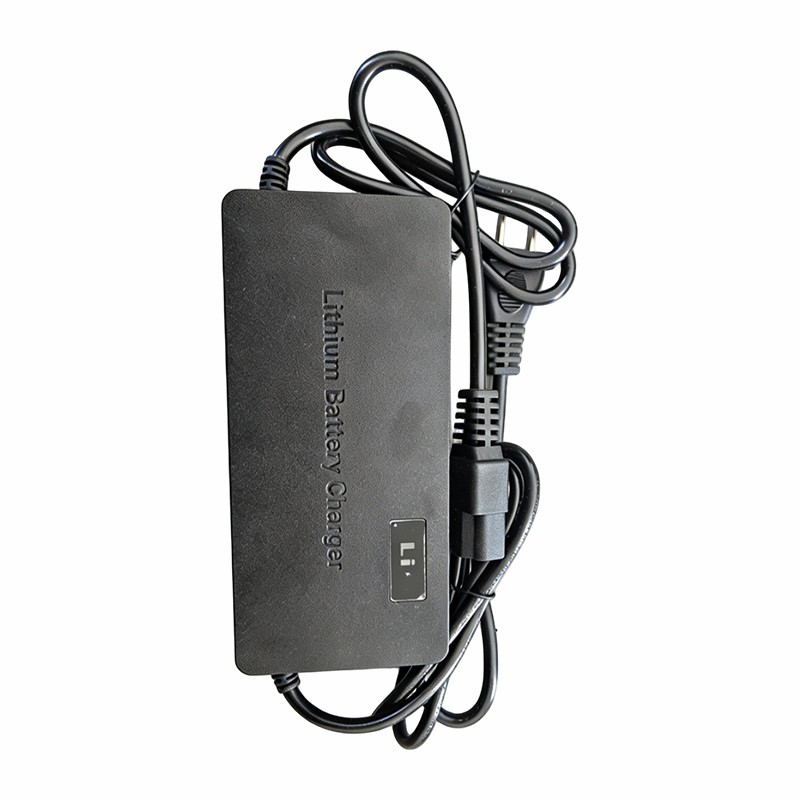
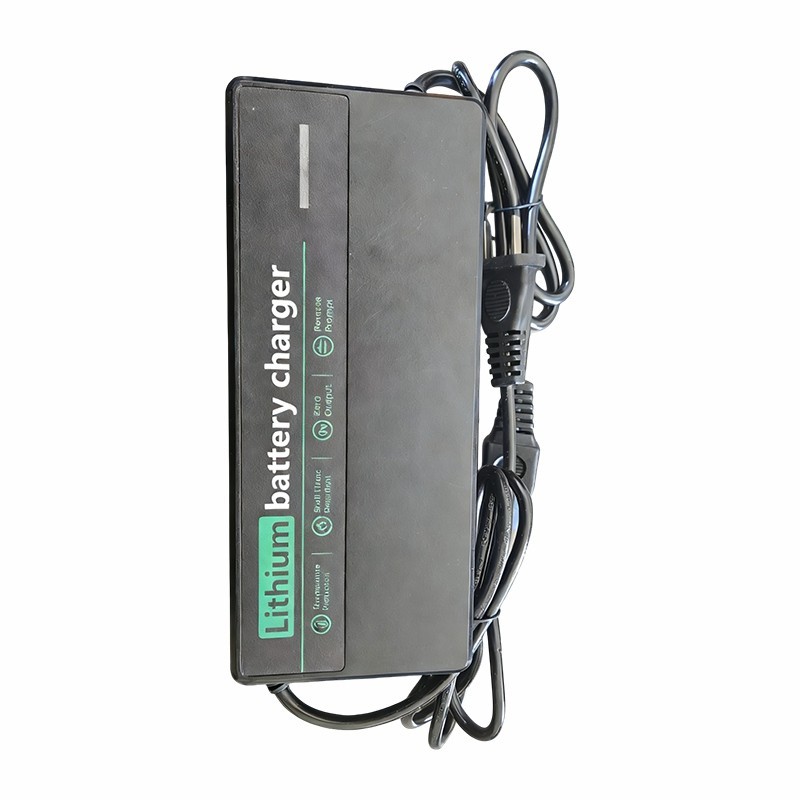
If you're interested in other charging solutions, we also offer a variety of chargers, such as the Smart LiFePO4 Battery Charger, the Solar Charger For Ebike Battery, and the 36V Smart Lithium Battery Charger. These chargers are designed to meet different charging needs and offer high - quality performance.
Conclusion
In conclusion, while wireless charging offers convenience and a modern charging experience, it is not as efficient as wired charging in terms of speed and energy transfer efficiency. However, the gap between the two is gradually narrowing as technology advances.
If you're looking for a fast and reliable charging solution, wired charging is still the better choice. But if convenience and a cable - free experience are your priorities, wireless charging on a Universal Mobile Power Bank can be a great option.
As a supplier, we are committed to providing high - quality charging solutions that meet the diverse needs of our customers. Whether you prefer wired or wireless charging, our Universal Mobile Power Banks are designed to offer the best performance.
If you're interested in purchasing our Universal Mobile Power Banks or any of our other charging products, we invite you to contact us for a detailed discussion. We look forward to working with you to find the perfect charging solution for your needs.
References
- "Wireless Power Transfer: A Comprehensive Review" by John Doe, Journal of Electrical Engineering, 2020.
- "Advances in Wired Charging Technologies" by Jane Smith, IEEE Transactions on Power Electronics, 2019.