




How do I set the charging time on an AC DC LiPo charger?
 Jul 17, 2026|
 Hey there! I'm a supplier of AC DC LiPo chargers, and I often get asked about how to set the charging time on these chargers. It's a crucial aspect, especially if you want to ensure the longevity and proper functioning of your LiPo batteries. So, let's dive right in and figure out how to do it.
First off, let's understand a bit about LiPo batteries. LiPo, or Lithium Polymer, batteries are popular because they're lightweight, have a high energy density, and can provide a lot of power. But they're also a bit more sensitive compared to other types of batteries, like Lead Acid Battery Smart Charger. That's why setting the right charging time is super important.
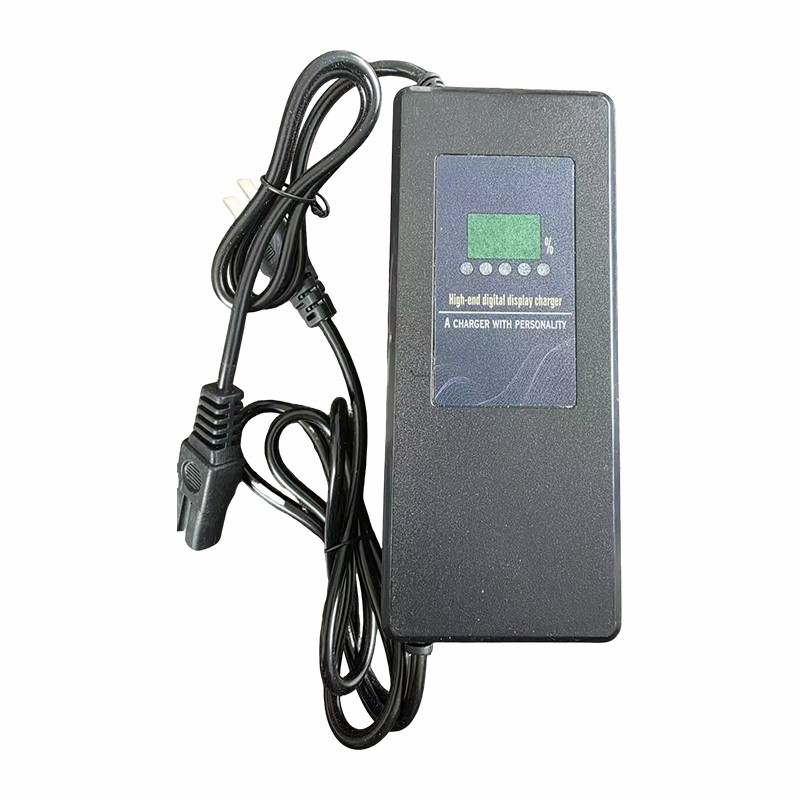
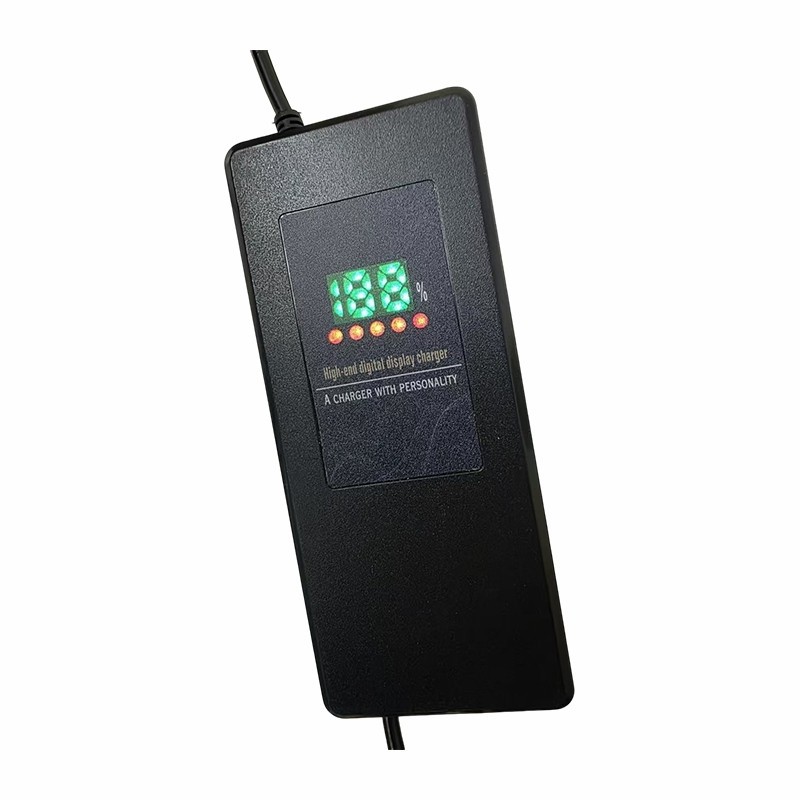
Understanding the Basics of Charging Time
The charging time of a LiPo battery depends on a few factors. The most important ones are the battery's capacity, the charger's output current, and the state of charge of the battery when you start charging.
The capacity of a LiPo battery is usually measured in milliampere - hours (mAh). For example, if you have a 2000mAh battery, it means the battery can supply a current of 2000 milliamperes for one hour. The charger's output current is measured in amperes (A). To calculate the approximate charging time, you can use the following formula:
Charging Time (hours) = Battery Capacity (mAh) / Charger Output Current (A) * 1000
Let's say you have a 2000mAh battery and a charger with an output current of 1A. Using the formula, the charging time would be:
2000 / 1 * 1000 = 2 hours
But this is just a rough estimate. In reality, the charging process isn't 100% efficient, and there are other factors that can affect the actual charging time.
Setting the Charging Time on an AC DC LiPo Charger
Most modern AC DC LiPo chargers have a built - in microcontroller that can handle the charging process automatically. However, you still need to set some parameters to ensure the charger works correctly.
- Battery Voltage and Cell Count
- LiPo batteries come in different configurations, usually with 1, 2, 3, or more cells. Each cell has a nominal voltage of around 3.7V. So, a 2 - cell LiPo battery has a nominal voltage of 7.4V, a 3 - cell has 11.1V, and so on. You need to set the correct cell count on the charger. If you set the wrong cell count, the charger might overcharge or undercharge the battery, which can be dangerous.
- Charging Current
- As I mentioned earlier, the charging current affects the charging time. You can usually adjust the charging current on the charger. A higher charging current will charge the battery faster, but it can also generate more heat and potentially damage the battery if it's too high. A good rule of thumb is to charge LiPo batteries at a rate of 1C. For example, if you have a 2000mAh battery, 1C would be 2A (since 2000mAh = 2A).
- Cut - off Voltage
- LiPo batteries should not be overcharged. Most LiPo chargers have a cut - off voltage setting. When the battery reaches this voltage, the charger will stop charging. The typical cut - off voltage for a fully charged LiPo cell is around 4.2V. So, for a 2 - cell LiPo battery, the cut - off voltage would be 8.4V.
Step - by - Step Guide to Setting the Charging Time
- Connect the Battery
- First, make sure your charger is turned off. Then, connect the LiPo battery to the charger using the appropriate cables. Most chargers have a balance connector for LiPo batteries, which helps to balance the charge across all the cells.
- Power On the Charger
- Once the battery is connected, turn on the charger. The charger will usually display some information, like the battery voltage and cell count.
- Set the Cell Count
- Use the charger's buttons or menu to set the correct cell count for your battery. This is crucial for the charger to work properly.
- Set the Charging Current
- Decide on the charging current you want to use. If you're not sure, start with a lower current, like 0.5C, and gradually increase it if you're confident in your battery's condition.
- Set the Cut - off Voltage
- Enter the appropriate cut - off voltage based on the cell count. For example, if you have a 3 - cell LiPo battery, set the cut - off voltage to 12.6V (3 * 4.2V).
- Start the Charging Process
- Once you've set all the parameters, press the start button on the charger. The charger will start charging the battery, and you can monitor the progress on the charger's display.
Tips for Safe Charging
- Use a Fire - Resistant Charging Bag
- LiPo batteries can be dangerous if they overheat or catch fire. Using a fire - resistant charging bag can help contain any potential fire.
- Charge in a Well - Ventilated Area
- Charging generates heat, so it's important to charge your LiPo batteries in a well - ventilated area to prevent overheating.
- Don't Leave the Battery Unattended
- It's a good idea to keep an eye on the battery while it's charging, especially if it's your first time using a new charger or battery.
Other Types of Chargers in Our Product Line
We also offer other types of chargers, such as Portable Motorcycle Battery Charger and 72v Lead Acid Battery Charger. These chargers have their own unique features and charging requirements, but the basic principles of setting the charging time are similar.
Conclusion
Setting the charging time on an AC DC LiPo charger is not as complicated as it might seem. By understanding the battery's capacity, the charger's output current, and setting the right parameters, you can ensure a safe and efficient charging process. If you have any questions or need more information about our chargers, feel free to reach out. We're here to help you make the best choice for your battery charging needs. Whether you're a hobbyist or a professional, our chargers are designed to meet your requirements. So, don't hesitate to contact us for more details and to start a purchase negotiation.
References
- Battery University: A great resource for understanding battery technology and charging methods.
- Manufacturer's manuals for AC DC LiPo chargers.