




Can a fast charging e - bike charger be used for e - bikes with high - capacity batteries?
 Jul 16, 2026|
 In the rapidly evolving world of e - bikes, the demand for efficient and fast charging solutions has been on the rise. As a supplier of Fast Charging E - Bike Chargers, I often encounter a crucial question from customers: Can a fast - charging e - bike charger be used for e - bikes with high - capacity batteries? This blog post aims to delve into this query and provide a comprehensive answer based on scientific and practical considerations.
Understanding Fast - Charging E - Bike Chargers and High - Capacity Batteries
Fast - charging e - bike chargers are designed to reduce the charging time of e - bike batteries significantly. They typically operate at higher power levels compared to standard chargers, which allows them to deliver a larger amount of electrical energy to the battery in a shorter period. On the other hand, high - capacity e - bike batteries store more energy, enabling longer rides but also requiring more time to charge fully.
The key to determining whether a fast - charging charger can be used with a high - capacity battery lies in understanding the battery's specifications and the charger's capabilities. Each e - bike battery has a specific voltage, capacity (measured in amp - hours, Ah), and charging rate (C - rate). The C - rate indicates how quickly the battery can be charged or discharged relative to its capacity. For example, a 1C charge rate means the battery can be fully charged in one hour, while a 0.5C rate would take two hours.
Compatibility Factors
Voltage Compatibility
The first and most crucial factor is voltage compatibility. The charger's output voltage must match the battery's rated voltage. Most e - bike batteries have a nominal voltage of 36V, 48V, or 52V. Using a charger with an incorrect voltage can lead to overcharging or undercharging, which can damage the battery and pose safety risks. For instance, if a 48V battery is charged with a 36V charger, it will not reach its full capacity, and if a 36V battery is charged with a 48V charger, it may overheat and potentially explode.
Current and Power Output
The charger's current output also plays a vital role. High - capacity batteries can generally handle higher charging currents, but it is essential to ensure that the charger's current output does not exceed the battery's maximum charging current. Exceeding this limit can cause excessive heat generation, which can degrade the battery's performance and lifespan. For example, a high - capacity battery with a maximum charging current of 5A should not be charged with a charger that outputs 10A.

Battery Chemistry
Different battery chemistries, such as lithium - ion, lead - acid, and nickel - metal hydride, have different charging requirements. Fast - charging chargers are often optimized for specific battery chemistries. Lithium - ion batteries, for example, require a more sophisticated charging algorithm to ensure safe and efficient charging. Using a charger designed for lead - acid batteries on a lithium - ion battery can lead to poor performance and potential damage.
Advantages of Using a Fast - Charging Charger for High - Capacity Batteries
Reduced Charging Time
The most obvious advantage is the significant reduction in charging time. For e - bike users who rely on their bikes for daily commuting or long - distance rides, a fast - charging charger can save a considerable amount of time. Instead of waiting several hours for the battery to charge, they can get back on the road much quicker.
Improved Convenience
Fast charging also offers greater convenience. Users can quickly top up their battery during short breaks, such as during a lunch break or while running errands. This flexibility allows for more spontaneous rides and reduces the need to plan charging stops in advance.
Potential Risks and Precautions
Battery Degradation
Fast charging can increase the stress on the battery, which may lead to accelerated battery degradation over time. High - current charging generates more heat, which can cause the battery's internal components to deteriorate faster. To mitigate this risk, it is important to use a charger with proper thermal management and follow the manufacturer's recommendations for charging.
Safety Concerns
If the charger is not properly designed or used incorrectly, it can pose safety risks, such as overheating, short - circuits, or even fires. It is crucial to choose a high - quality charger from a reputable manufacturer and ensure that it meets all relevant safety standards.
Our Product Offerings
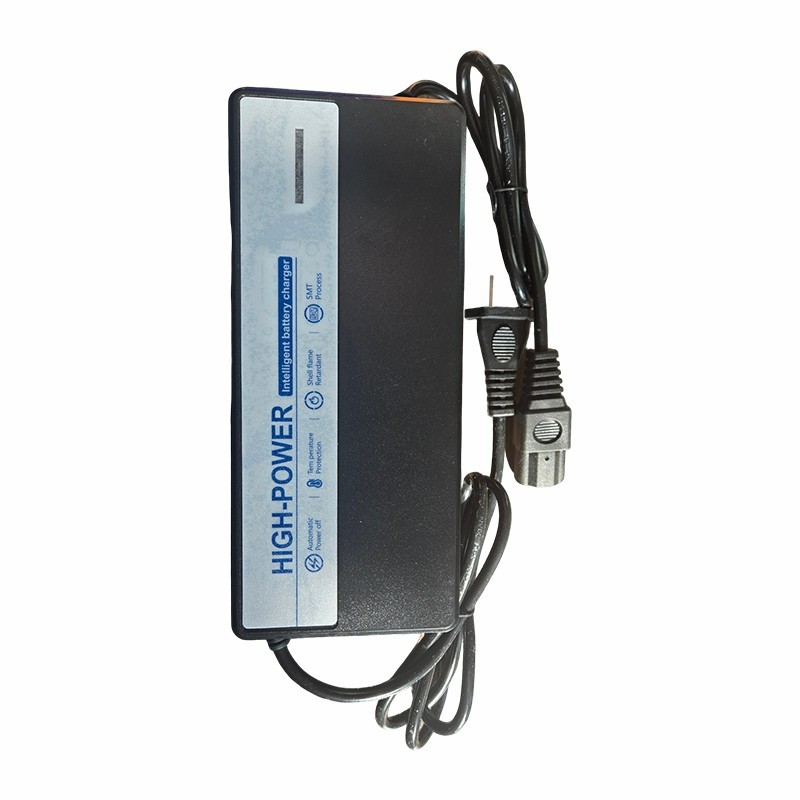
As a supplier of Fast Charging E - Bike Chargers, we offer a range of chargers that are designed to be compatible with high - capacity e - bike batteries. Our chargers are carefully engineered to provide fast and safe charging, taking into account the specific requirements of different battery chemistries and capacities.
We also offer a variety of related products, such as the Waterproof Portable Solar Cell Charge, which provides an eco - friendly and portable charging solution. Additionally, our Club Car Smart Charger and Lead Acid Battery Charger 48V 12A are suitable for a wide range of e - bike applications.
Conclusion
In conclusion, a fast - charging e - bike charger can be used for e - bikes with high - capacity batteries, but it is essential to ensure compatibility in terms of voltage, current, and battery chemistry. While fast charging offers significant advantages in terms of reduced charging time and improved convenience, it also comes with potential risks that need to be carefully managed.
If you are in the market for a fast - charging e - bike charger or have any questions about our products, we encourage you to contact us for a procurement discussion. Our team of experts is ready to assist you in finding the best charging solution for your e - bike.
References
- Battery University: A comprehensive resource for battery knowledge and charging best practices.
- E - Bike Manufacturers' Manuals: Provide specific information about the battery and charging requirements for each e - bike model.
- Industry Standards and Regulations: Ensure that the charger meets all relevant safety and performance standards.