




How does an E Rickshaw Fast Charger charge at different battery states?
 Jun 11, 2026|
 As a reliable supplier of E Rickshaw Fast Chargers, I've witnessed firsthand the transformative impact these chargers have on the efficiency and convenience of electric rickshaws. In this blog, I'll delve into the intricacies of how an E Rickshaw Fast Charger operates at different battery states, shedding light on the science behind the charging process and its implications for users.
Understanding Battery States
Before we explore the charging process, it's essential to understand the different states a battery can be in. Batteries typically go through three main states: discharged, partially charged, and fully charged. Each state requires a different approach to charging to ensure optimal performance and longevity.
- Discharged State: When a battery is fully discharged, it has reached its lowest voltage and capacity. At this stage, the charger needs to provide a high initial current to kickstart the charging process. However, it's crucial to monitor the battery closely to prevent overcharging, which can damage the battery and reduce its lifespan.
- Partially Charged State: A partially charged battery has some remaining capacity but is not fully charged. In this state, the charger can adjust the charging current based on the battery's state of charge. This approach helps to optimize the charging process and reduce the overall charging time.
- Fully Charged State: Once the battery reaches its full capacity, the charger needs to switch to a maintenance mode to prevent overcharging. This mode provides a low, constant current to keep the battery at its optimal state without causing any damage.
Charging Process at Different Battery States
Now that we understand the different battery states, let's explore how an E Rickshaw Fast Charger charges at each state.
Discharged State
When the battery is fully discharged, the charger starts by providing a high initial current to quickly replenish the battery's energy. This high current is known as the bulk charging phase, and it typically lasts until the battery reaches around 80% of its capacity. During this phase, the charger monitors the battery's voltage and temperature to ensure safe and efficient charging.
Once the battery reaches 80% capacity, the charger switches to the absorption charging phase. In this phase, the charger reduces the charging current and maintains a constant voltage to allow the battery to absorb the remaining energy gradually. This phase helps to ensure that the battery is fully charged without overcharging.
Partially Charged State
When the battery is partially charged, the charger can adjust the charging current based on the battery's state of charge. If the battery is only slightly discharged, the charger may provide a lower current to avoid overcharging. On the other hand, if the battery is significantly discharged, the charger may provide a higher current to quickly replenish the energy.
The charger also monitors the battery's voltage and temperature during the charging process to ensure safe and efficient charging. If the battery's temperature exceeds a certain threshold, the charger may reduce the charging current or stop charging altogether to prevent damage to the battery.
Fully Charged State
Once the battery reaches its full capacity, the charger switches to a maintenance mode to prevent overcharging. In this mode, the charger provides a low, constant current to keep the battery at its optimal state without causing any damage. This mode helps to extend the battery's lifespan and ensure reliable performance.
Benefits of Using an E Rickshaw Fast Charger
Using an E Rickshaw Fast Charger offers several benefits for electric rickshaw owners and operators.
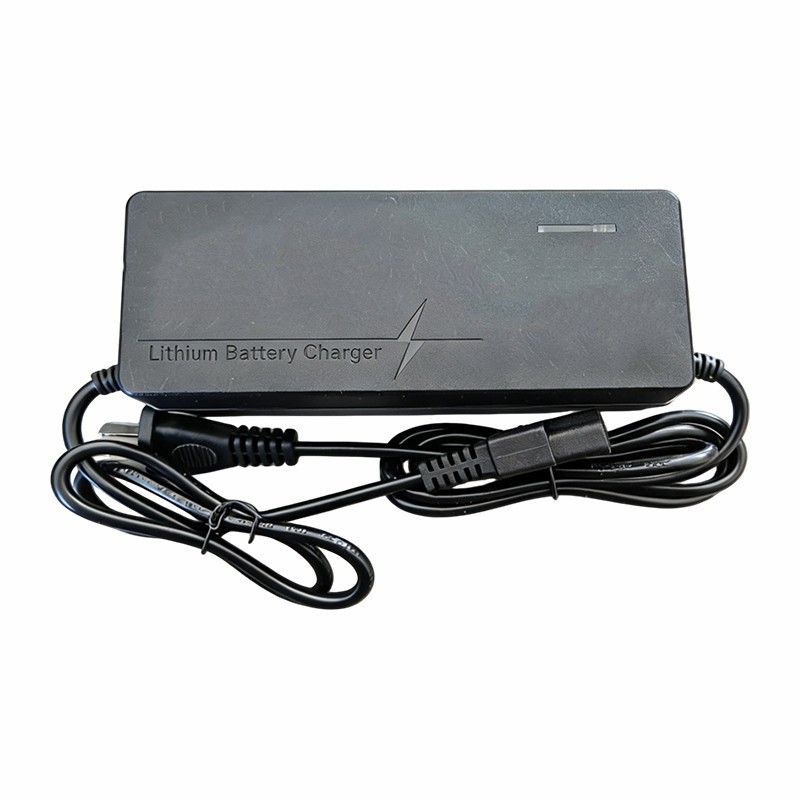
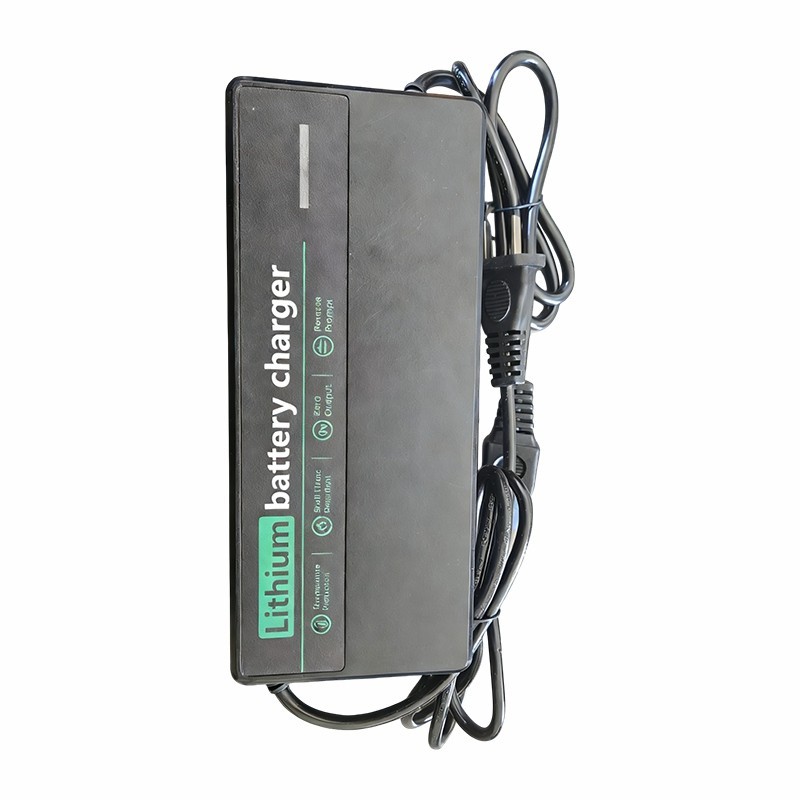
- Faster Charging Times: Fast chargers can significantly reduce the charging time compared to traditional chargers. This means that electric rickshaws can spend more time on the road and less time charging, increasing their productivity and profitability.
- Improved Battery Life: Fast chargers are designed to charge the battery efficiently and safely, which helps to extend the battery's lifespan. By reducing the charging time and preventing overcharging, fast chargers can help to maintain the battery's performance and reliability over time.
- Convenience: Fast chargers are typically more convenient to use than traditional chargers. They can be installed at charging stations or at home, allowing electric rickshaw owners to charge their vehicles quickly and easily.
- Cost Savings: Using a fast charger can help to reduce the overall cost of operating an electric rickshaw. By reducing the charging time and extending the battery's lifespan, fast chargers can help to lower the cost of electricity and replacement batteries.
Our E Rickshaw Fast Chargers
As a leading supplier of E Rickshaw Fast Chargers, we offer a range of high-quality chargers that are designed to meet the needs of electric rickshaw owners and operators. Our chargers are equipped with advanced features such as overcharge protection, short circuit protection, and temperature control to ensure safe and efficient charging.
We also offer a range of charging solutions to meet the specific needs of our customers. Whether you need a charger for a single electric rickshaw or a fleet of vehicles, we have the expertise and experience to provide you with the right solution.
In addition to our E Rickshaw Fast Chargers, we also offer a range of other products and services, including Solar Charger For Ebike Battery, Smart LiFePO4 Battery Charger, and 48v Lithium Polymer Battery Charger. Our products are designed to provide reliable and efficient charging solutions for a variety of applications.
Contact Us for More Information
If you're interested in learning more about our E Rickshaw Fast Chargers or other products and services, please don't hesitate to contact us. Our team of experts is available to answer your questions and provide you with the information you need to make an informed decision.
We look forward to working with you to provide you with the best charging solutions for your electric rickshaw.
References
- [1] Battery University. (n.d.). How to Charge a Lithium-Ion Battery. Retrieved from https://batteryuniversity.com/learn/article/how_to_charge_a_lithium_ion_battery
- [2] IEEE. (2018). IEEE Standard for Electric Vehicle Battery Chargers. Retrieved from https://ieeexplore.ieee.org/document/8430630
- [3] International Electrotechnical Commission. (2017). IEC 61851-1: Electric vehicle conductive charging system - Part 1: General requirements. Retrieved from https://webstore.iec.ch/publication/21947