




How does an E - Tricycle Battery Charger work?
 Sep 08, 2026|
Hey there! As a supplier of E - Tricycle Battery Chargers, I'm super stoked to spill the beans on how these nifty devices work. It's not just about plugging in and hoping for the best; there's a whole lot of science going on behind the scenes.
First off, let's talk about the basic components of an E - Tricycle Battery Charger. You've got the power input section, which is usually where you plug the charger into a wall socket. This is the source of electrical energy that will be used to charge the battery. Most chargers are designed to work with standard household voltages, like 110V or 220V, depending on where you are in the world.
Once the charger is plugged in, the power goes through a rectifier. The rectifier's job is to convert the alternating current (AC) from the wall socket into direct current (DC). Batteries, including those in E - tricycles, run on DC, so this conversion is crucial. It's like translating a language that the battery can understand.
After the rectification process, the DC power moves on to the charging circuit. This is where things get really interesting. The charging circuit is responsible for controlling the amount of current and voltage that is sent to the battery. It's not a one - size - fits - all situation. Different batteries have different charging requirements, and the charger needs to be able to adjust accordingly.
For example, a lithium - ion battery, which is commonly used in E - tricycles, has specific charging stages. The first stage is the constant - current stage. In this stage, the charger sends a relatively high current to the battery to quickly charge it up. But as the battery voltage approaches its full - charge level, the charger switches to the constant - voltage stage. During this stage, the voltage is kept constant, and the current gradually decreases. This helps to prevent overcharging, which can damage the battery and reduce its lifespan.
Now, let's talk about some of the cool features that modern E - Tricycle Battery Chargers have. One of the most important features is over - charge protection. This is a safety mechanism that kicks in when the battery reaches its full charge. It automatically stops the charging process to prevent any damage to the battery. Another great feature is short - circuit protection. If there's a short circuit in the charging process, the charger will shut down to prevent any electrical hazards.
There are also chargers with smart technology. These chargers can communicate with the battery and adjust the charging process based on the battery's condition. For example, if the battery is cold, the charger might slow down the charging process to prevent damage. Smart chargers can also provide information about the charging status, like how much charge is left and how long it will take to fully charge the battery.

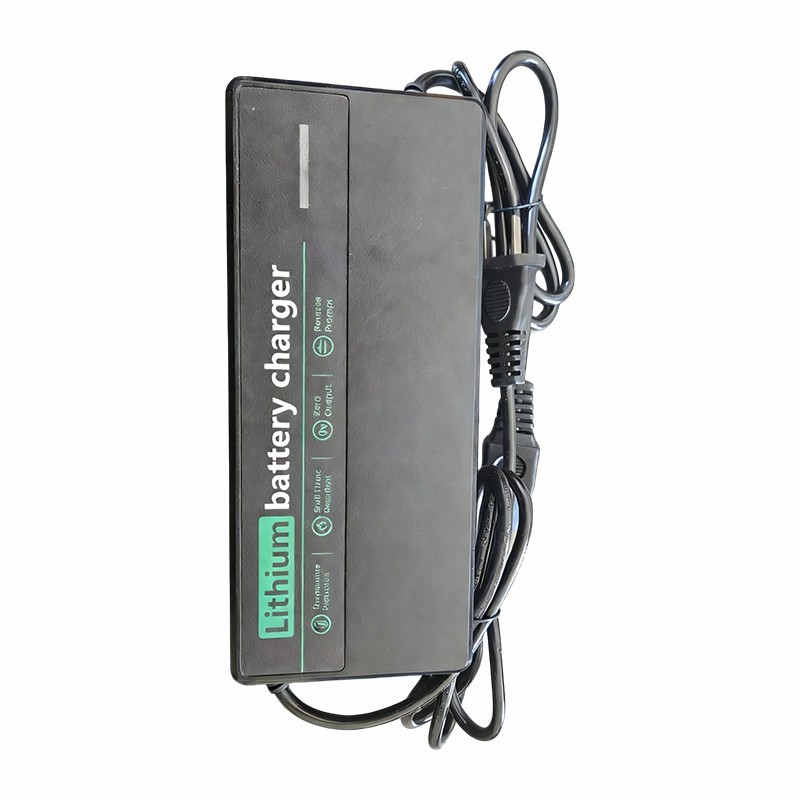
As a supplier, I offer a range of E - Tricycle Battery Chargers to meet different needs. For instance, we have the 36V Smart Lithium Battery Charger. This charger is specifically designed for 36V lithium - ion batteries, and it comes with all the smart features I mentioned earlier. It's a reliable and efficient way to charge your E - tricycle battery.
We also have the Universal Mobile Power Bank. This is a great option if you need to charge your E - tricycle battery on the go. It's portable and can be used to charge other devices as well, like your phone or tablet.
And if you're into eco - friendly options, we have the Solar Charger For Ebike Battery. This charger uses solar energy to charge your E - tricycle battery, which is not only good for the environment but also can save you some money on electricity bills.
So, how do you choose the right E - Tricycle Battery Charger? Well, the first thing you need to consider is the battery type. Different batteries require different chargers. For example, a lead - acid battery charger won't work well with a lithium - ion battery. You also need to consider the voltage and capacity of the battery. Make sure the charger you choose can provide the right amount of voltage and current for your battery.
Another important factor is the charging speed. If you're in a hurry, you might want a charger that can charge your battery quickly. But keep in mind that fast charging can sometimes reduce the battery's lifespan. So, it's a bit of a trade - off.
If you're interested in purchasing an E - Tricycle Battery Charger, I'd love to have a chat with you. We can discuss your specific needs and find the perfect charger for your E - tricycle. Whether you're a casual rider or a professional, we've got a charger that will meet your requirements.
In conclusion, understanding how an E - Tricycle Battery Charger works is essential for getting the most out of your E - tricycle. It's not just about getting a quick charge; it's about ensuring the longevity and performance of your battery. With the right charger, you can enjoy a smooth and hassle - free riding experience. So, don't hesitate to reach out if you have any questions or if you're ready to make a purchase.
References:
- Battery charging principles and safety guidelines from industry standards.
- Technical specifications of E - Tricycle Battery Chargers.